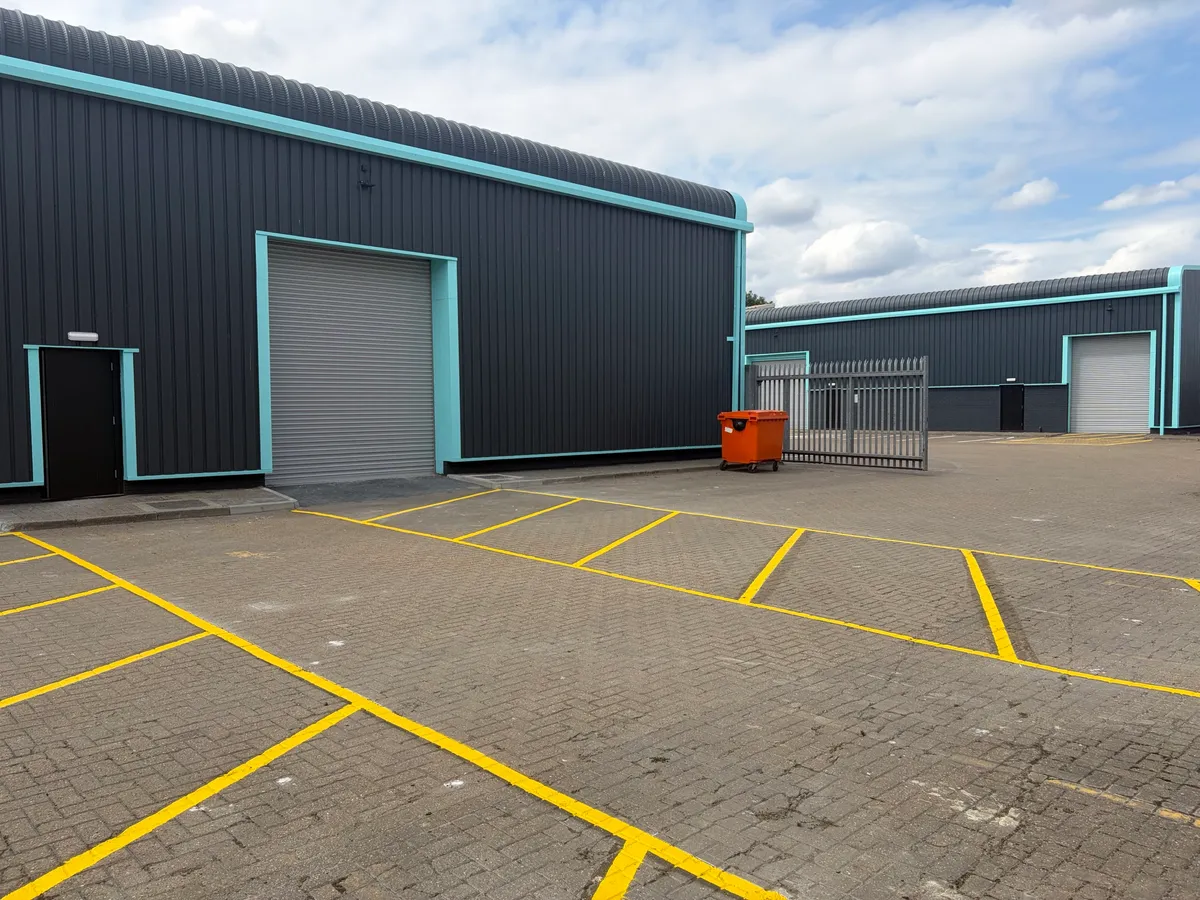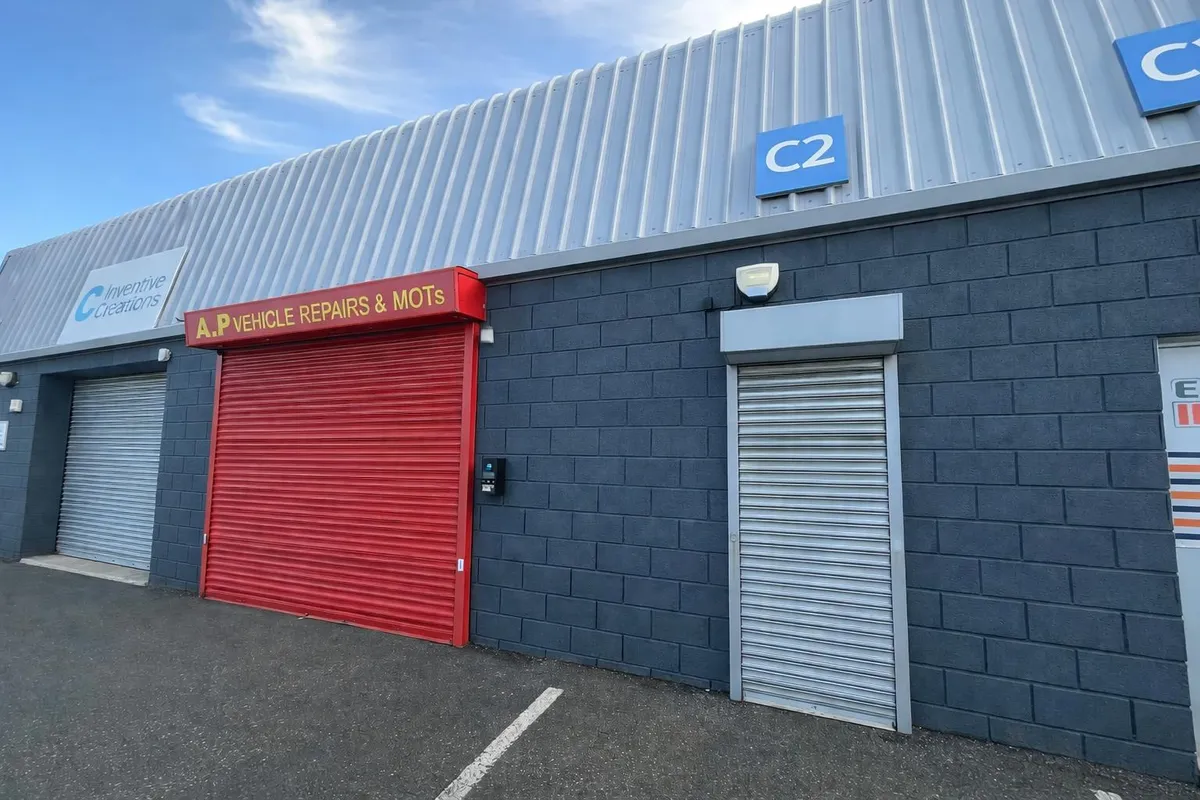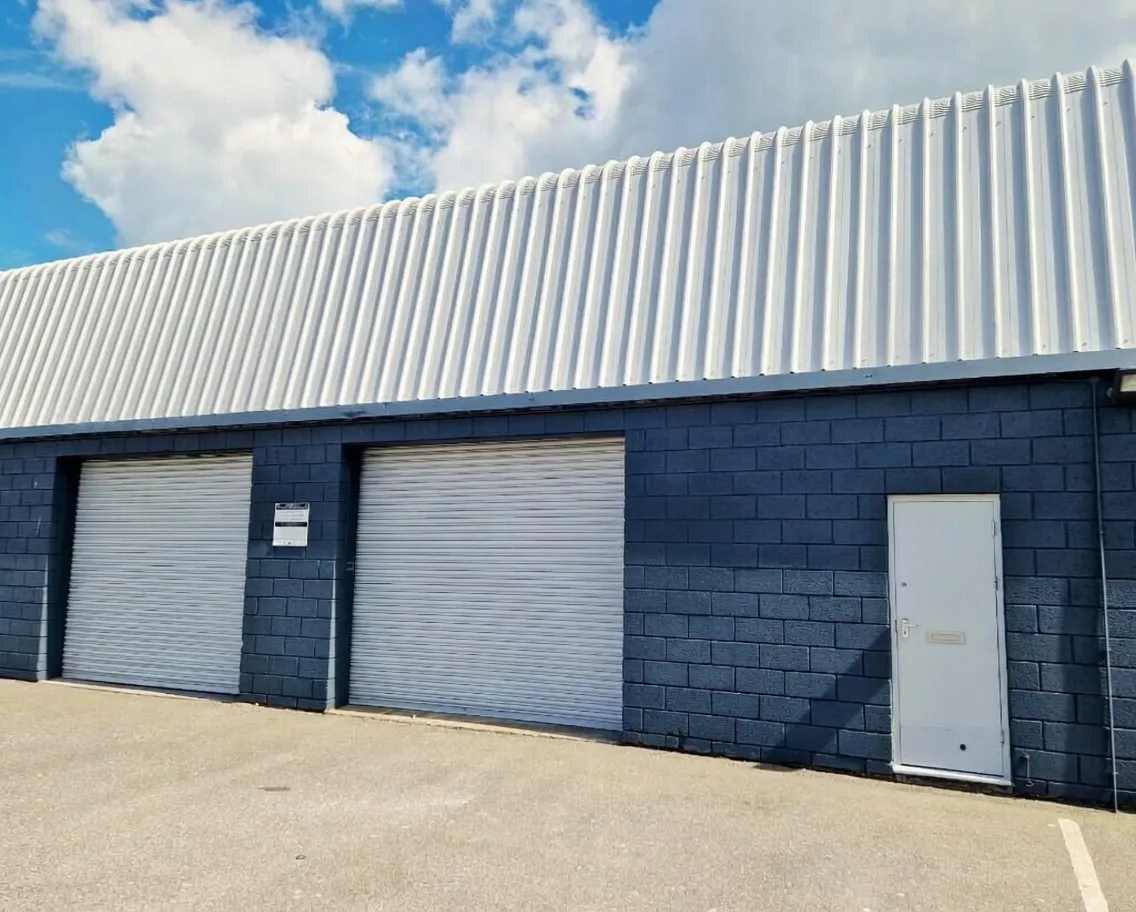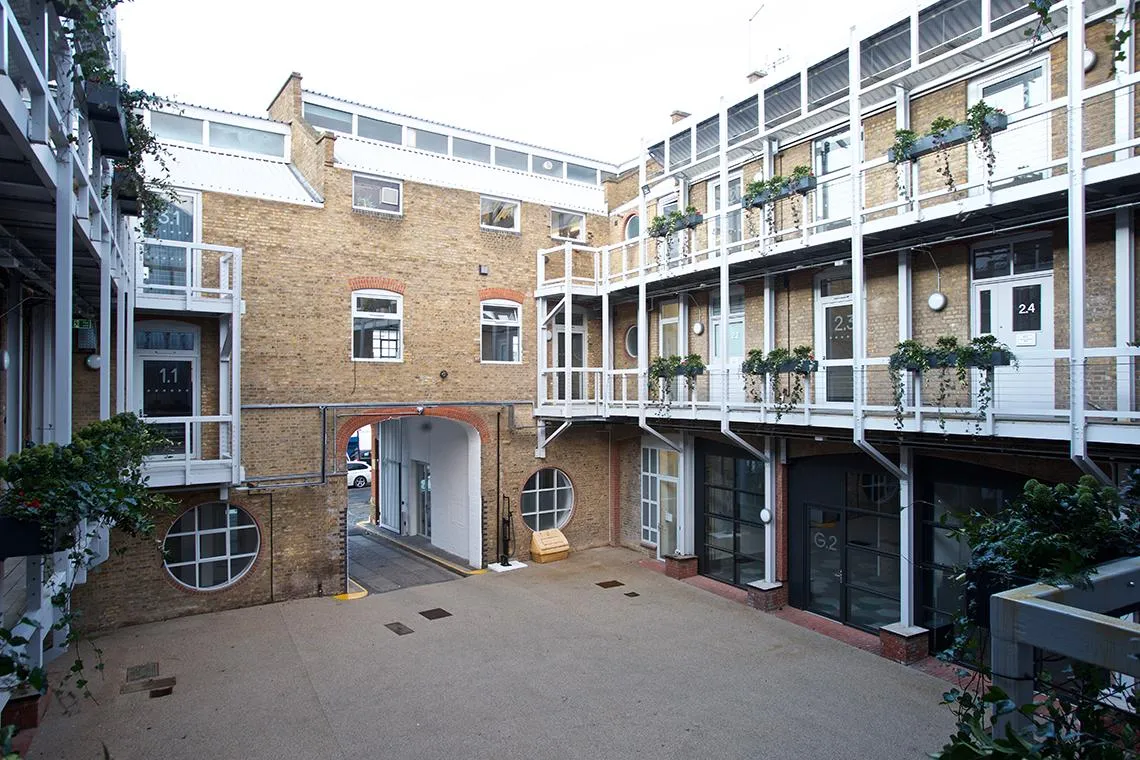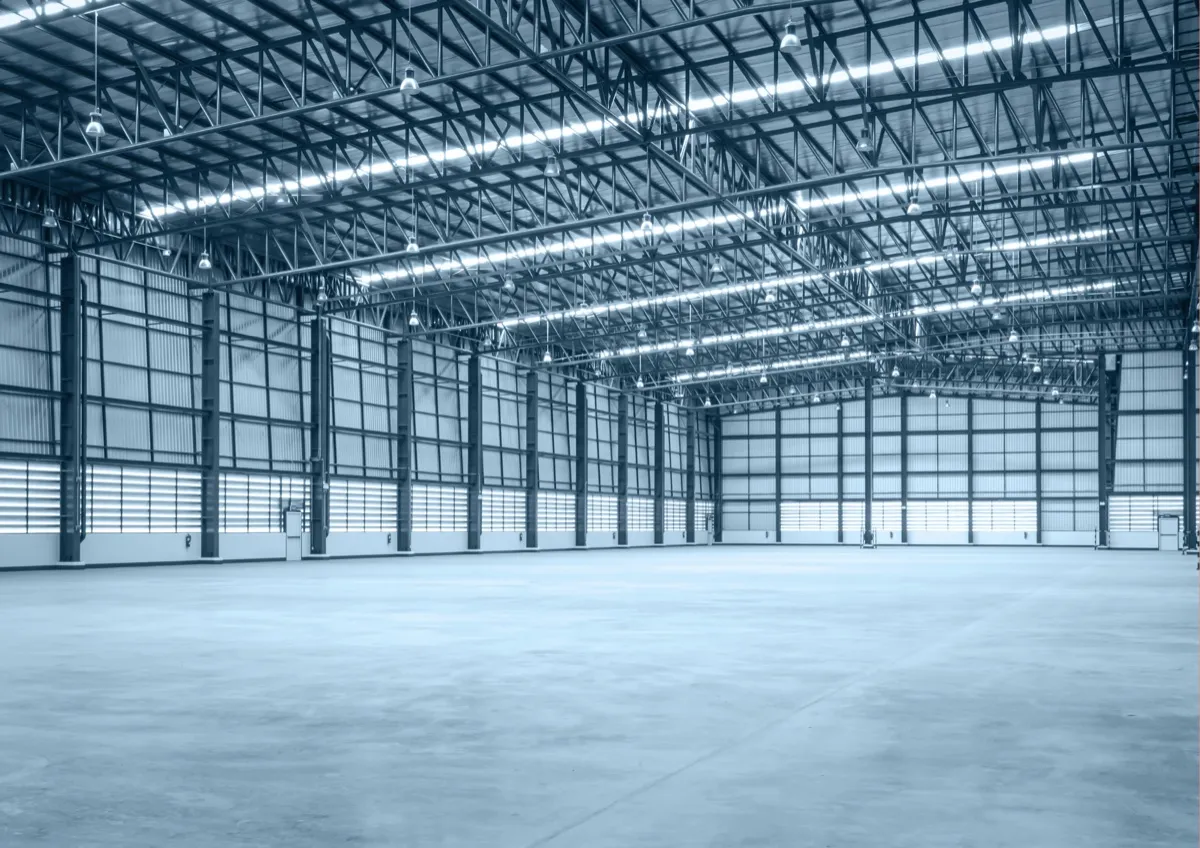
In 1846 George Smeed began making bricks at Murston, on the edge of Sittingbourne. By 1860 he owned brickfields, barges and a shipyard on the creek, and his firm traded as Smeed Dean until 1926. Much of the ground they dug is now the Eurolink estate, which agents describe as about 2.5 million sq ft of business space north-east of Sittingbourne town centre. Its buildings range from low terraces to a warehouse with 8.6m eaves.
Brickearth, chalk and the ash of London
Smeed's bricks were made from local brickearth and chalk mixed with town ash and clinker collected from the fire grates of Victorian London, according to Wienerberger, which still makes Smeed Dean bricks in Sittingbourne and still uses town ash in the mix. The Sittingbourne Museum names other brickfield owners at Murston, among them Burley and Wills & Packham, and its photographs show clamp brickmaking at Upper Field around 1928. One of Eurolink's roads today is Upper Field Road.
What the archaeologists found under the units
The estate has been built under the eye of archaeologists. On plots E1 and E2 off Castle Road, a watching brief in 2001 and 2002 recorded brickearth digging from about 1869 and the foundations of kilns that stood for most of the twentieth century. Groundworks for Unit K on Eurolink Phase III in 1997 found an Iron Age enclosure, dated to about 350 to 200 BC. A brickworks at Crown Quay, excavated in 2017, is now a retail park on Eurolink Way.
Five phases and the firms inside them
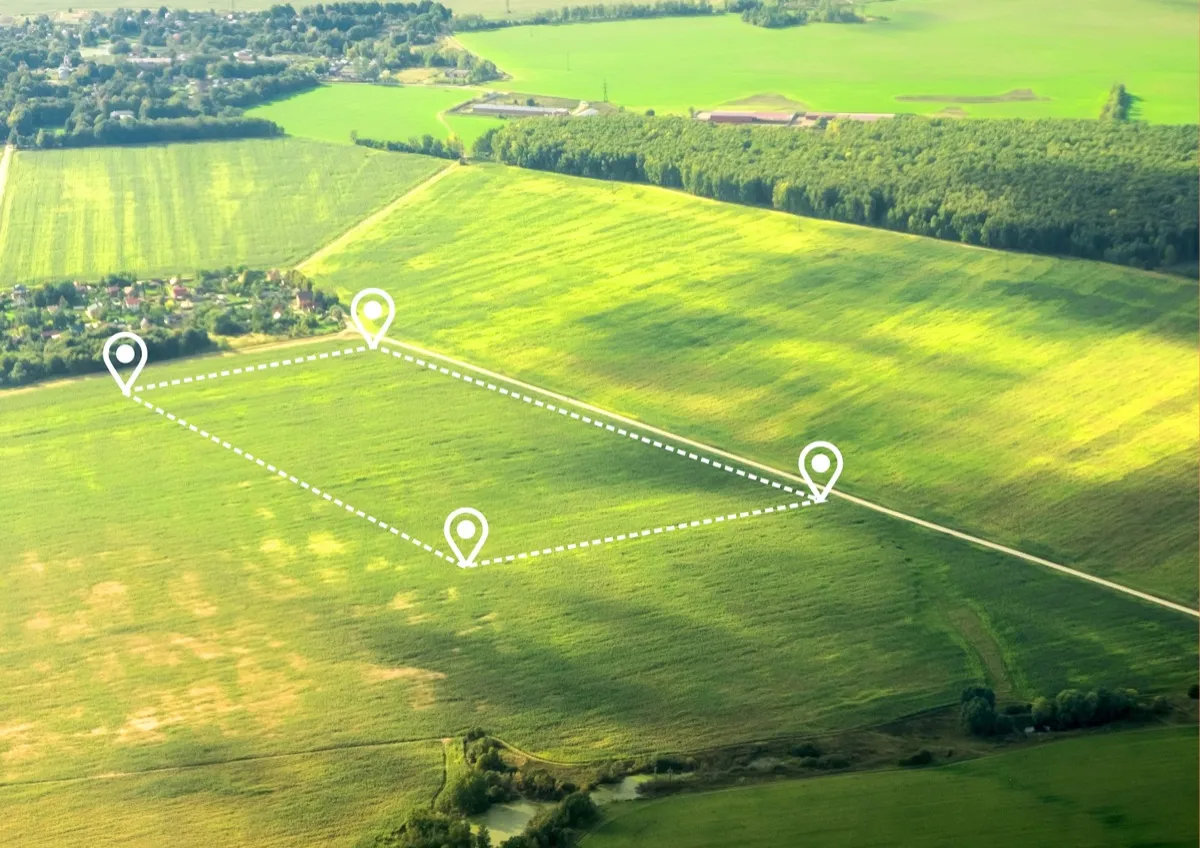
The estate grew in phases. Eurolink 4 holds the Precision 2 and Precision 4 business parks. In 2020 Barwood Capital paid £2.25 million for a 4.2 acre plot in East 5, the fifth phase, a 28 acre site with outline consent for up to 462,884 sq ft. Occupiers on the wider park then included Cook, Doka, Pickering and Salvatori Medway. Cook, the frozen meals maker, has its kitchen on Eurolink Way and in 2019 raised £16 million for a second kitchen of about 2,320 sq m.
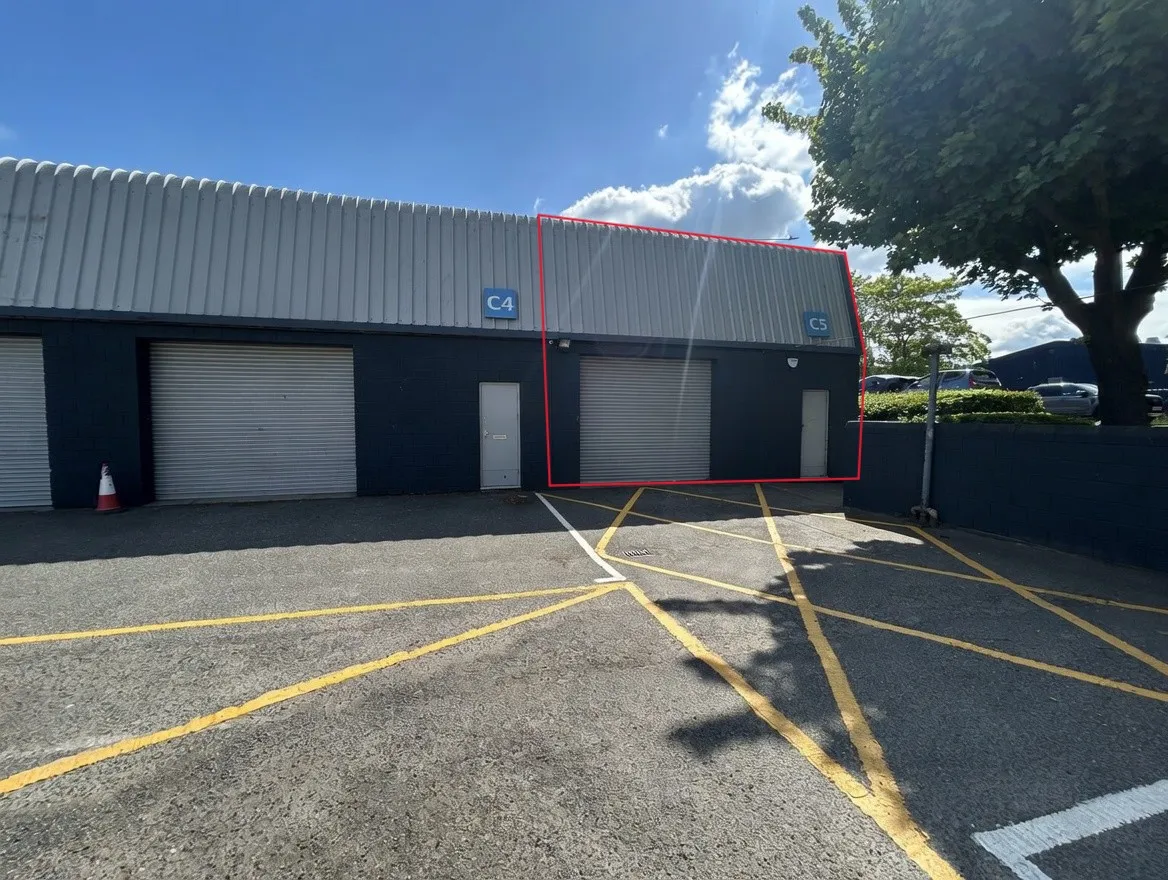
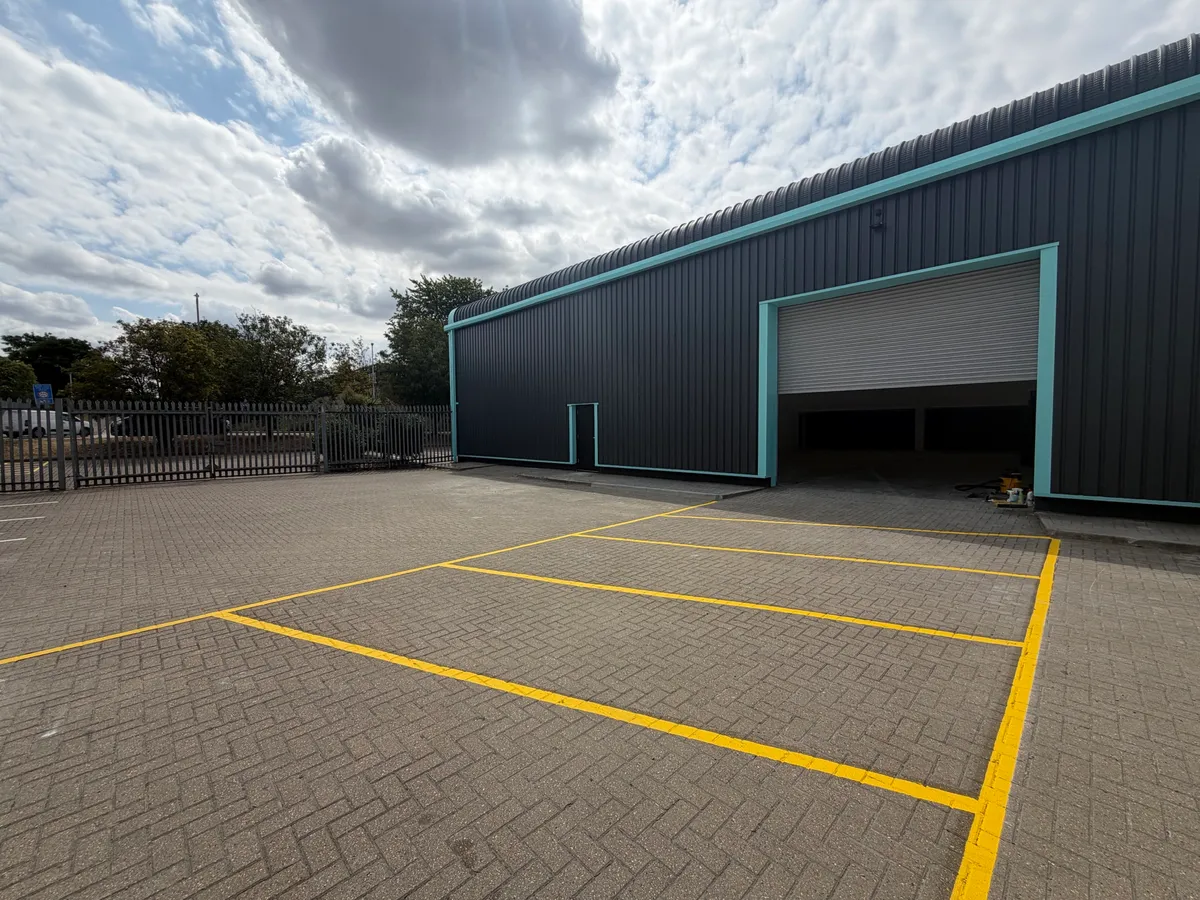
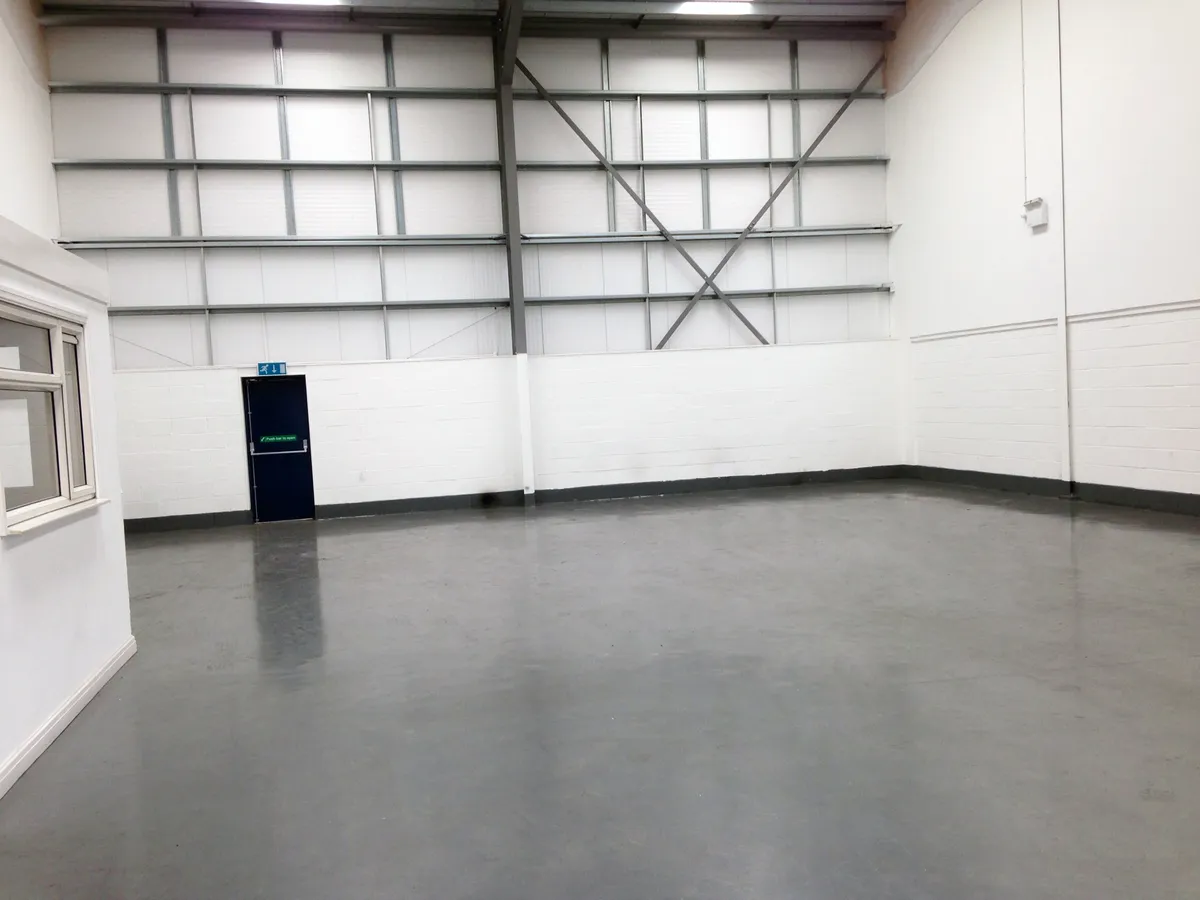
Eaves vary across the estate: about 3.3m to 4.9m at the Smeed Dean Centre on Castle Road, about 5.6m on Heard Way, and 8.6m at the former Dovetail unit on Bingham Road.
Who the old brickfields suit now
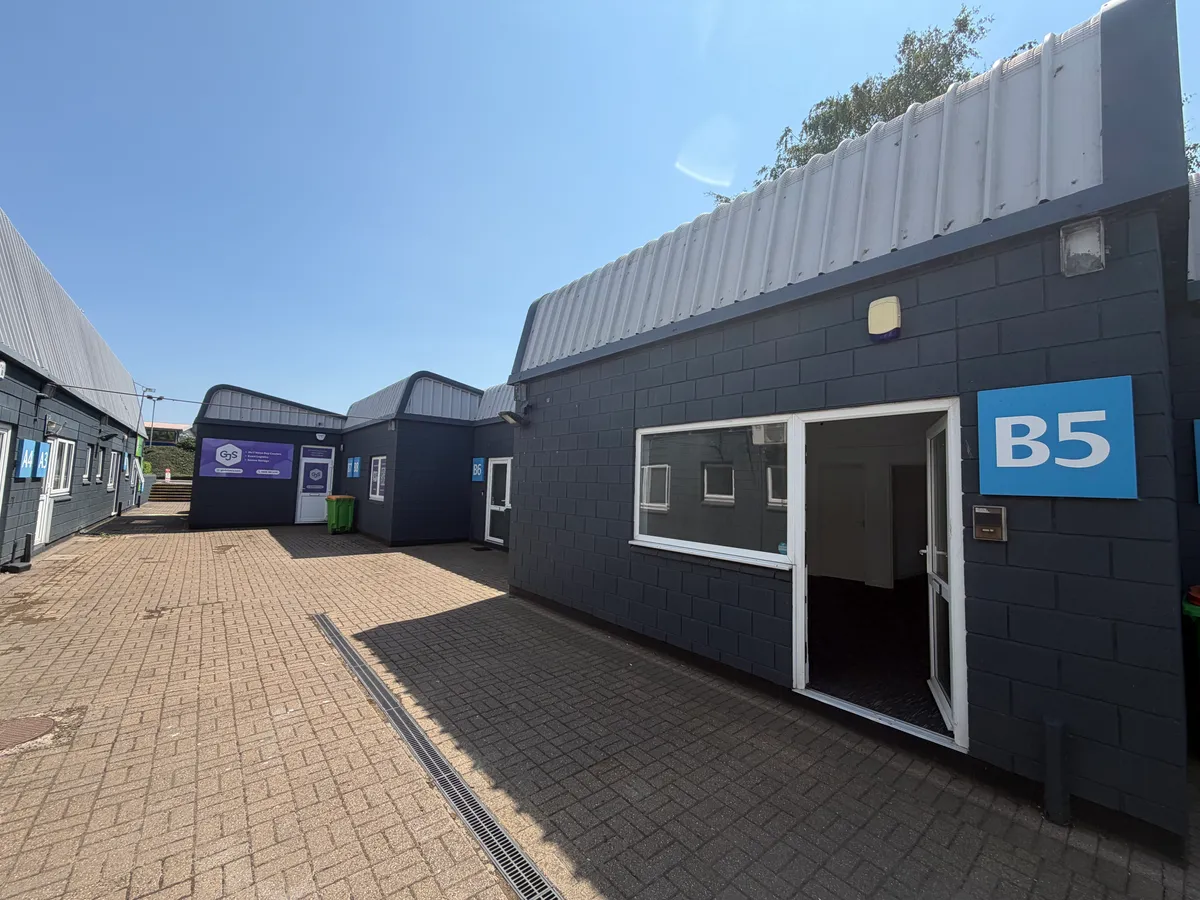
Workshops, trade counters, makers and storage firms that need ground-floor space near the town will find Eurolink's older phases a sound choice, and Sittingbourne station is 0.7 miles from Heard Way. Businesses that need racking above 6m or a deep lorry yard should look at Eurolink's newer plots or at Kemsley instead. The listings below show what is available now.
FAQ
What was the Eurolink estate in Sittingbourne before it was built?
Much of it was brickfields at Murston. Archaeologists working on plots off Castle Road in 2001 and 2002 recorded brickearth digging from about 1869 and the foundations of kilns used for most of the twentieth century.
Are Smeed Dean bricks still made in Sittingbourne?
Yes. Wienerberger makes Smeed Dean bricks in Sittingbourne and still uses town ash in the mix, as Smeed did in the nineteenth century.
How big is the Eurolink estate in Sittingbourne?
Agents describe Eurolink as a business park of about 2.5 million sq ft. Its fifth phase, East 5, covers 28 acres with outline consent for up to 462,884 sq ft.
What eaves height do Eurolink units have?
It depends on the phase. Units at the Smeed Dean Centre have about 3.3m to 4.9m, refurbished units on Heard Way about 5.6m, and the former Dovetail unit on Bingham Road 8.6m.