Renting Commercial Property in the UK: What It Involves and What It Costs
Renting commercial property means committing to a contract with ongoing costs beyond the headline rent. These include business rates, service charges, insurance, utilities, and legal fees. Understanding these expenses and lease terms upfront helps avoid unexpected financial burdens while focusing on your business activities.
Key Points to Keep in Mind
- Rent is only one part of total occupancy costs.
- Leases can include break clauses allowing early exit subject to conditions.
- Repair responsibilities vary and should be clearly understood.
- Rent reviews can increase costs and are often tied to market conditions.
- Security of tenure protects tenants unless they agree to contract out.
What You Will Actually Pay When Renting Commercial Property
The costs of renting commercial property typically include several items, some fixed and others variable. The table below outlines common charges, who pays, when they are due, and whether negotiation is possible.
A full repairing and insuring (FRI) lease is one where the tenant takes responsibility for all repairs and insurance costs. This can offer landlords certainty but means tenants should budget for upkeep beyond simple rent.
Fit-out costs cover the expenses of adapting the space to your needs, such as partitions, wiring or furniture. Dilapidations refer to the state of repair you must leave the property in when the lease ends. This is why a schedule of condition,a detailed record of the property’s condition at the start,is vital; it can protect you from unfair repair claims at exit.
Lease Length and Break Clauses
Commercial leases typically run for 3 to 10 years, with tenants often preferring flexibility. A break clause allows the tenant (or sometimes the landlord) to end the lease early, subject to conditions like giving notice or the property being in good condition.
The date of a break clause is less important than the conditions attached. For example, some require rent and service charges to be fully paid up, or that the tenant has not breached any lease terms. Always review these carefully.
Repairing Obligations Explained
Clarify who is responsible for repairs before signing. An FRI lease means you handle all repairs and insurance. Others may split repairs, such as landlords covering structural repairs while tenants maintain interiors. Confirm these in the lease details.
Remember, neglecting repairs can lead to sizable dilapidation claims later. A well-negotiated schedule of condition helps establish your repair obligations fairly by recording existing defects.
Rent Reviews and Incentives
Rent reviews usually occur every 3 to 5 years to align rent with current market rates. Reviews often use the open market rent approach but some leases set different formulas.
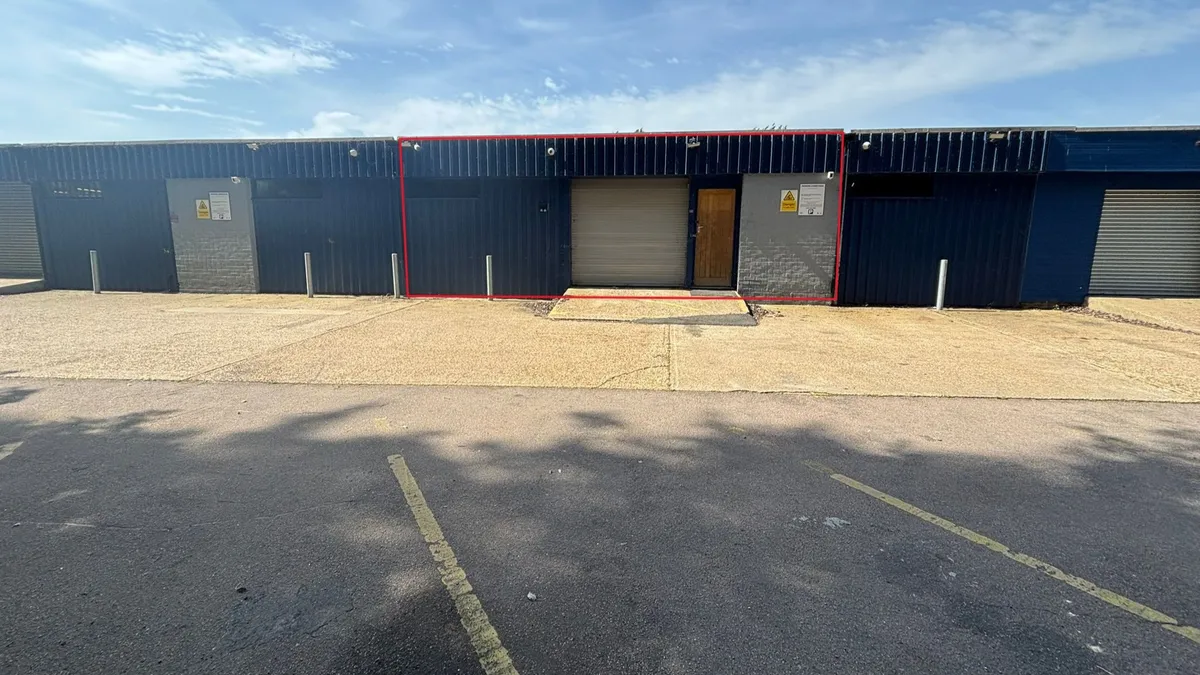
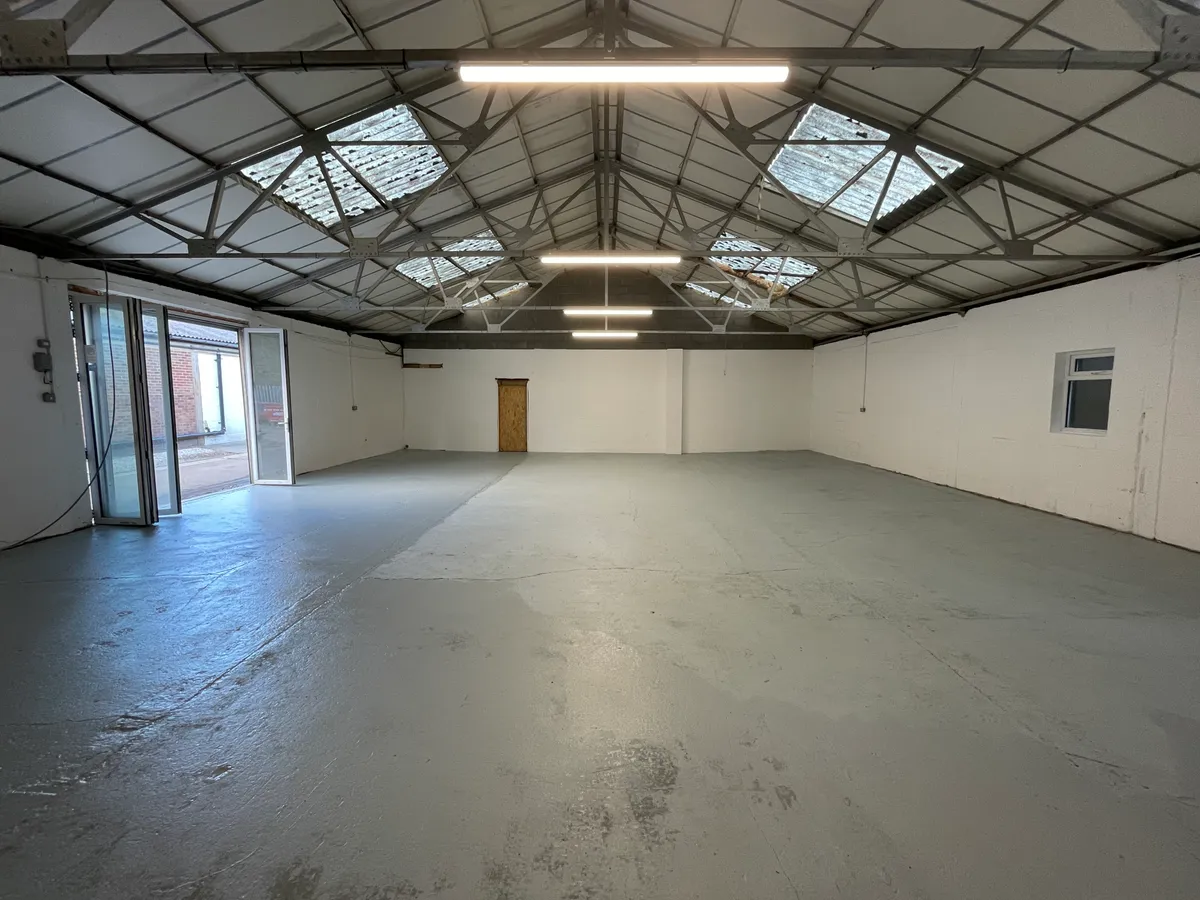
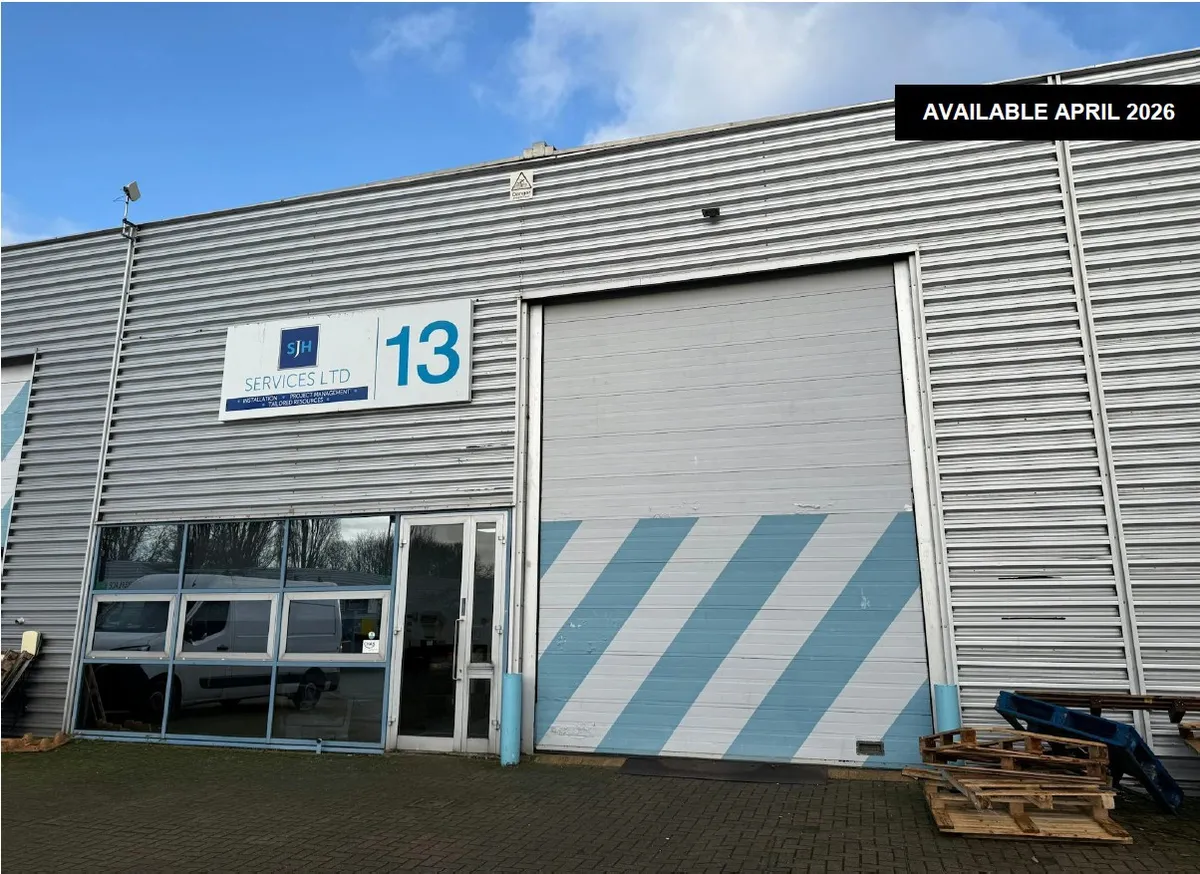
Landlords sometimes offer rent-free periods or stepped rent incentives to attract tenants, as seen in properties like the Tonbridge warehouse where rent starts lower and steps up annually. Such incentives can reduce initial costs but should be balanced with total lease length and review timing.
Security of Tenure Under the Landlord and Tenant Act 1954
The Landlord and Tenant Act 1954 grants tenants security of tenure, meaning you can renew your lease when it ends, subject to certain conditions. However, landlords and tenants may contract out of this protection, often documented via a notice before lease signing. Contracting out means the tenant gives up automatic renewal rights, which can affect your future occupation.
Practical Checks Before Committing: A Tenant’s Checklist
- Confirm the exact size and use class of the property.
- Review the rent amount, payment frequency, and any rent-free periods.
- Examine the repairing obligations and who insures the building.
- Check business rates payable using the Valuation Office Agency figures and GOV.UK rate relief options [VERIFY ANNUALLY].
- Clarify lease length, break clauses, and rent review mechanisms.
- Ask for a schedule of condition before moving in.
- Understand any service charges and how they are calculated.
- Confirm what utilities are connected and metering arrangements.
- Find out if parking or loading spaces are included.
- Request legal advice from a commercial solicitor to review the lease before signing.
Questions to Ask the Agent Before Enquiring
-
What is included in the rent?
-
Are there any upcoming rent reviews?
-
Who is responsible for repairs and maintenance?
-
Is the lease contracted in or out of the 1954 Act?
-
What business rates apply and is rate relief possible?
-
Are there any service charges?
-
What are the break clause terms?
-
Has a schedule of condition been prepared?
-
What deposit or rent guarantor is required?
-
Can the property accommodate intended business use under the use class?