In 2017 Portsmouth's commercial port handled 742,977 tonnes of fruit. In 2025 it handled 291,090. Over the same years, freight units on its ferries fell from 248,983 to 192,958. The port, which belongs to Portsmouth City Council, has spent that time rebuilding its cargo side, with a border control post, works at Albert Johnson Quay and a customs zone inside the Solent Freeport. For businesses that import food or goods through the city, the changes reach a few miles inland.
What comes through the quays
Portico, which runs the cargo terminal and is owned by the council, calls itself the UK market leader for banana imports. In 2025 fruit arrived at Albert Johnson Quay and Flathouse Quay from ports including Douala, Tema, Abidjan, Manzanillo, Turbo and Santa Marta. The ferry port is a route for Jersey Royal potatoes from the Channel Islands, Spanish salad and French produce. Fruit tonnage has recovered from 240,715 tonnes in 2023, while ferry freight has held between about 190,000 and 193,000 units a year since then.
Cold stores at the border post and on the quay
The border control post, built with £17.1 million from the government's Ports Infrastructure Fund and topped up by the council, was designed with 14 loading bays, 17 cold stores and five inspection rooms. In 2022 Portico had around 11,000 pallets of temperature-controlled space, set between 1°C and 20°C, and a 50,000 sq ft general cargo warehouse. In October 2024 the council approved £20 million of investment in Portico, and a £7 million phase at Albert Johnson Quay was due to finish in autumn 2026. Ask Portico whether any of that space is let to outside businesses.
A customs zone three miles from Limberline
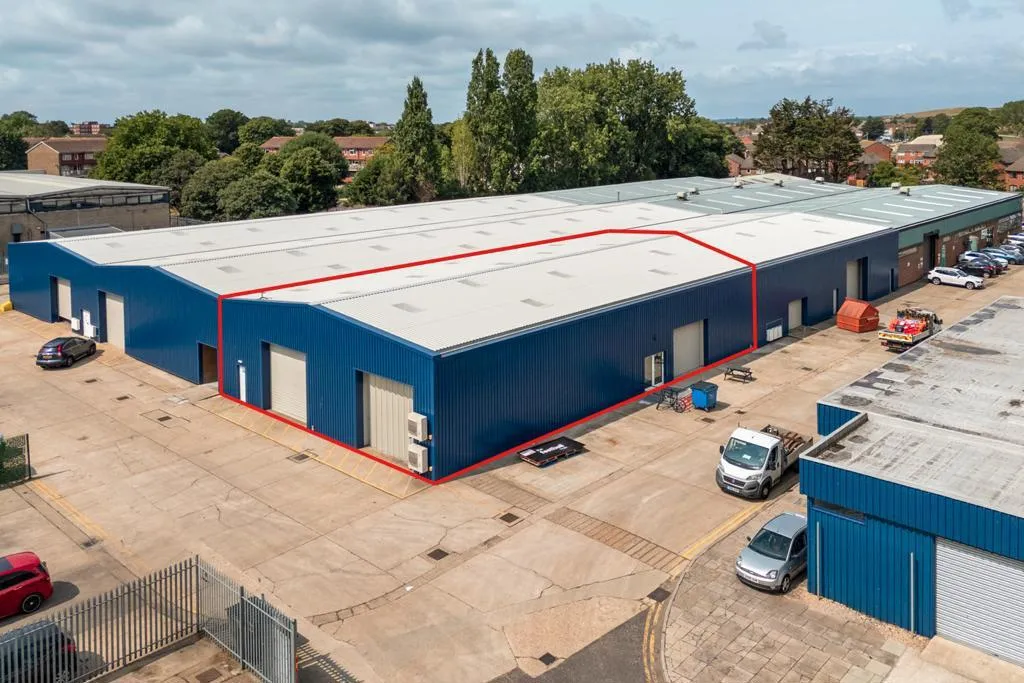
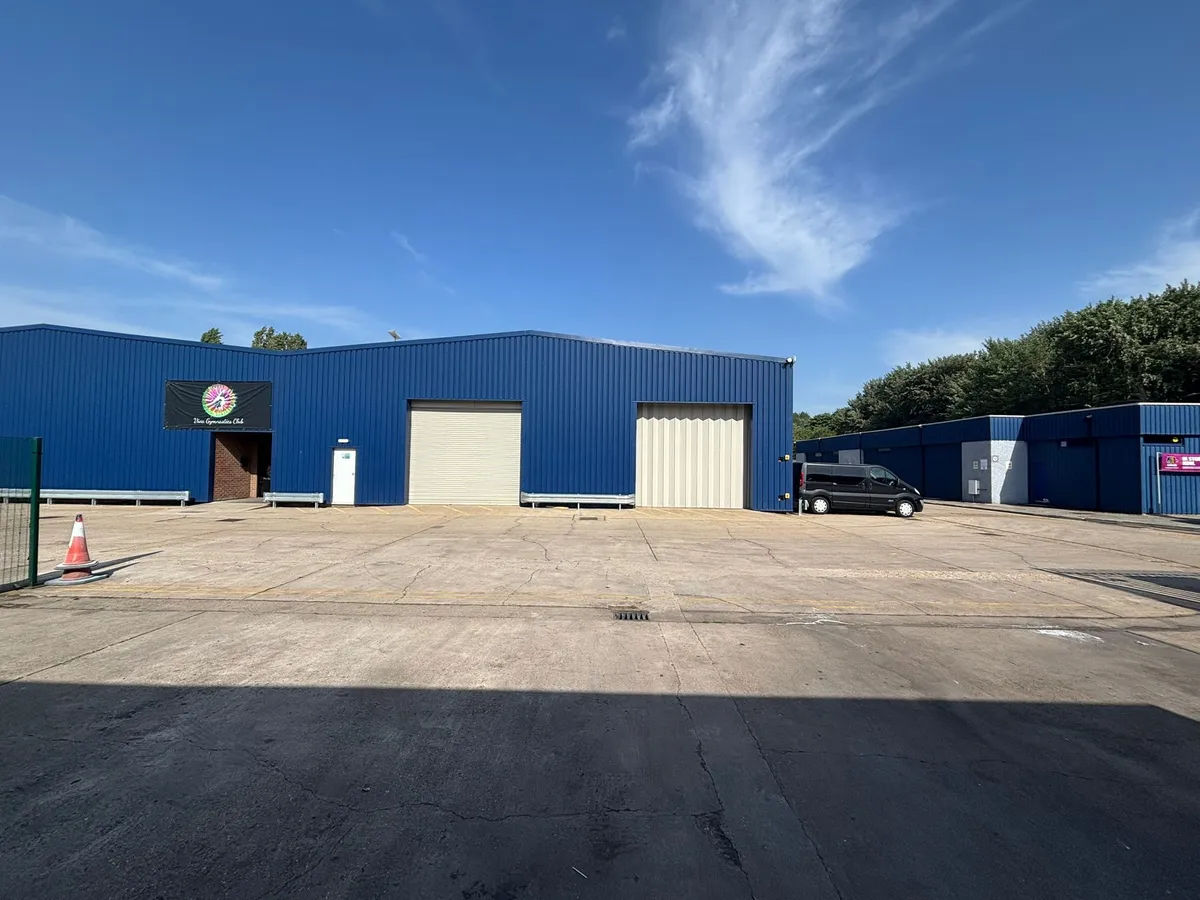
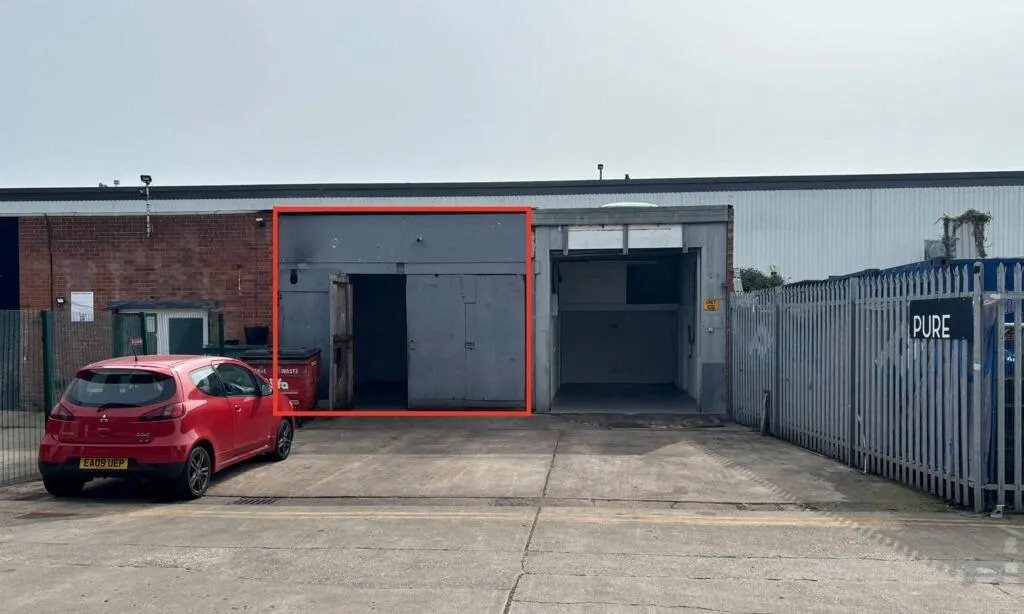
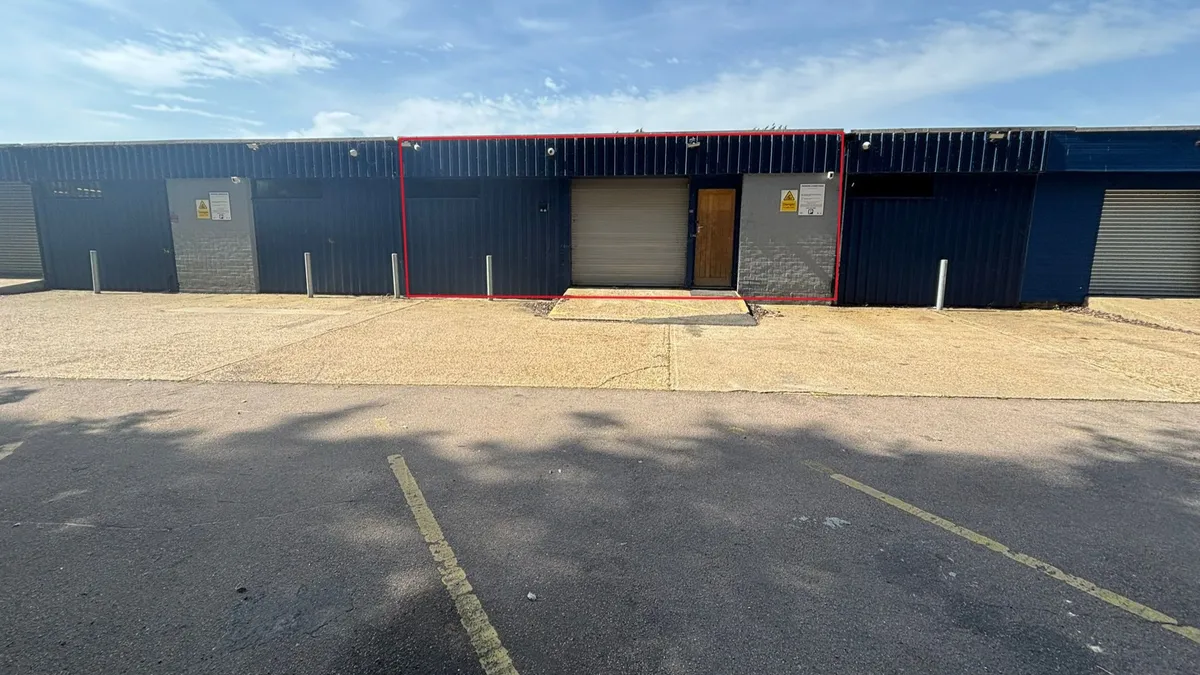
Portsmouth International Port is one of the Solent Freeport's sites, and the freeport's 2025/26 annual report records the opening of a new customs zone there. In 2022 Portico said it took five minutes to get from the motorway network to the heart of its terminal. From Limberline Spur in Hilsea the port is about 3 miles, close enough for a small importer to collect from the quay and store, repack or sell from a unit on the island.
Who should be close to the port
Fresh produce wholesalers, food importers, ship suppliers and Channel Islands traders gain most from a unit a few miles from the quay, such as those on Limberline Spur, about 3 miles away. A business that needs its own cold room should check a unit's power supply before signing. Firms with no import trade will find the port matters less than the drive to the M27. The listings below show what is available now.
FAQ
How much fruit comes through Portsmouth port?
291,090 tonnes in 2025, according to the port's statistics. That was up from 240,715 tonnes in 2023 but well below the 742,977 tonnes handled in 2017.
How much freight uses Portsmouth International Port?
The port recorded 192,958 freight units on its ferry services in 2025, against 248,983 in 2017. The figure has stayed between about 190,000 and 193,000 since 2023.
Who owns Portsmouth International Port?
Portsmouth City Council. The council also owns Portico, which runs the cargo terminal and in October 2024 was promised £20 million of council investment.
Does Portsmouth port have cold storage?
Yes. The border control post was built with 17 cold stores, and Portico reported around 11,000 pallets of temperature-controlled space in 2022.